Most homeowners don’t think about their water heater until something goes wrong.
It’s easy to forget about the appliance that quietly provides hot showers, clean dishes, fresh laundry, and warm water every day. But like any other system in your home, your water heater doesn’t last forever.
Water heaters usually give warning signs before they completely fail, so knowing what to look for can help you catch small issues before they turn into a bigger problem.
Here are five common signs your water heater is failing and what you can do if you notice them.
1. Your Water Isn’t Getting as Hot as It Used To
One of the most noticeable signs your water heater is struggling is a change in water temperature.
Maybe your showers are turning lukewarm faster than usual, or your hot water doesn’t seem to last as long as it used to. While this can happen for several reasons, it’s often a sign that something inside your water heater needs attention.
Common causes include:
- A failing heating element
- Sediment buildup inside the tank
- A damaged thermostat
- An aging water heater that can no longer keep up with your home’s needs
If your water heater is several years old and you’re constantly adjusting the temperature or running out of hot water, it may be time for an inspection.
Homeowner tip: Keep track of when the problem happens. Does the water get cold after one shower? Does it happen only in the morning? These details can help a professional diagnose the issue faster.
2. You Hear Strange Noises Coming From Your Water Heater
Your water heater should operate quietly in the background. If you start hearing popping, banging, rumbling, or crackling sounds, it’s definitely worth paying attention to.
Over time, minerals from your water supply can settle at the bottom of the tank and create a layer of sediment. When the burner heats the water, it has to work through that buildup, which can create those unusual sounds.
Sediment buildup can also make your water heater less efficient and force it to work harder than necessary.
Regular maintenance, including flushing the tank when recommended, can help reduce buildup and extend the life of your water heater.
3. You Notice Rusty Water or Discolored Hot Water
Discolored water can happen when:
- The inside of the tank is starting to corrode
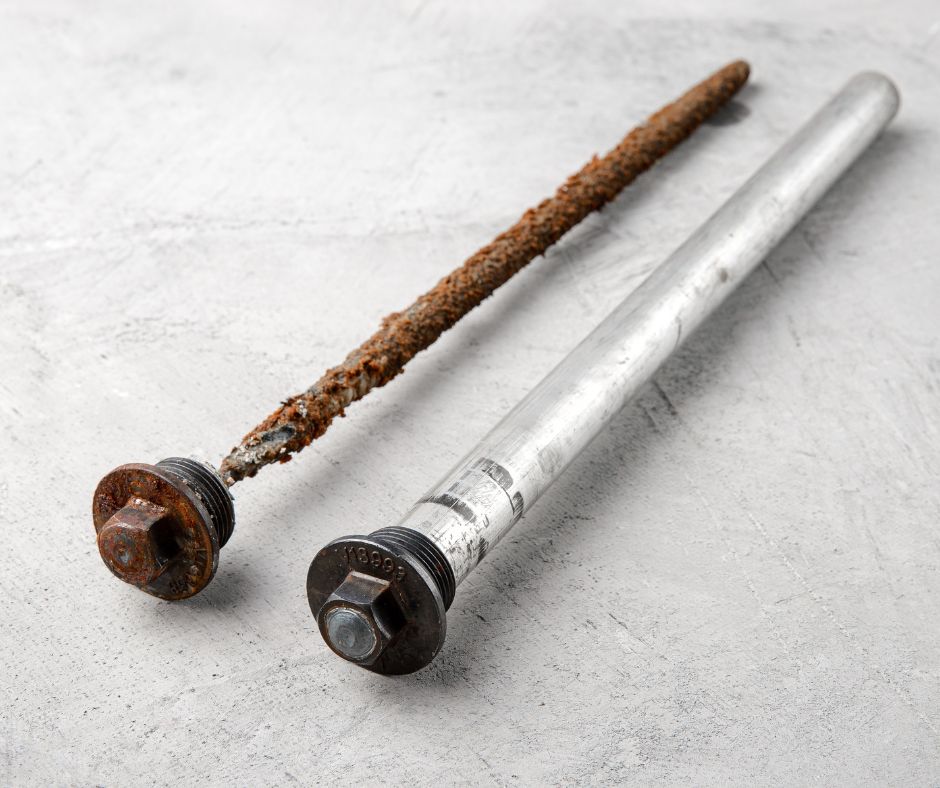
- The anode rod needs replacement
- Rust is developing inside the water heater
The anode rod is an important component that helps protect the inside of your tank from corrosion. Over time, it wears down and may need to be replaced.
If you’re only seeing rusty water when using hot water, your water heater is likely the place to start investigating.
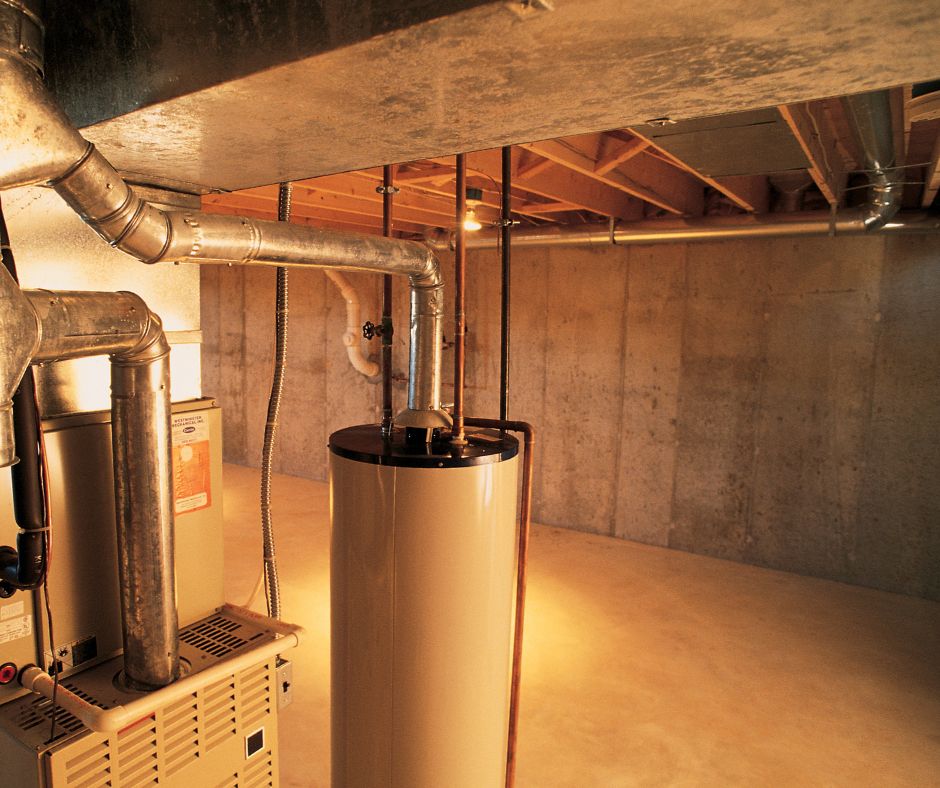
4. There’s Water Around Your Water Heater
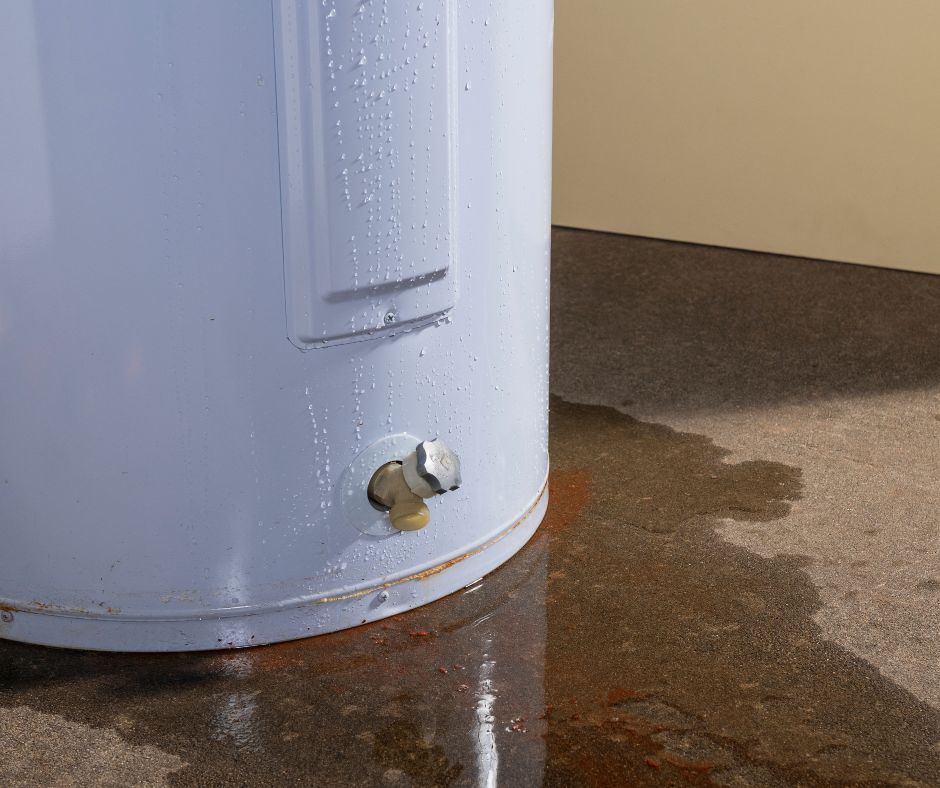
A small puddle near your water heater should never be ignored.
While not every leak means your water heater needs to be replaced immediately, any moisture around the tank is a sign that something needs attention.
Leaks can happen because of:
- Loose connections
- A faulty valve
- Pressure issues
- Cracks in the tank itself
Unfortunately, once the tank itself begins leaking, repairs are usually not possible. Water heaters are designed as one sealed unit, and a cracked tank typically means replacement is needed.
Homeowner tip: Check around your water heater occasionally, especially if it’s located in a basement, garage, or utility room.
5. Your Water Heater Is Getting Older
Even a well-maintained water heater has a lifespan.
Most traditional tank water heaters last around 8-12 years and tankless water heaters can last 15-20, although maintenance, water quality, and usage can all impact how long they continue working properly.
As your water heater gets older, keep an eye out for:
- More frequent repairs
- Higher energy bills
- Longer heating times
- Inconsistent water temperatures
- Visible corrosion
If your water heater is approaching the end of its expected lifespan, planning for replacement before it fails completely can help you avoid an unexpected cold shower or emergency situation.
How Can You Help Your Water Heater Last Longer?
Check Your Temperature Setting
The recommended water heater temperature for many homes is around 120°F. A lower setting can help reduce energy use while still providing comfortable hot water.
Schedule Regular Maintenance
Professional maintenance can help identify problems early, check important components, and keep your system operating efficiently.
Pay Attention to Changes
Small changes are often the first signs of a problem. If your hot water suddenly smells different, runs out faster, or your water heater starts making new sounds, it’s worth having it checked out.
Frequently Asked Questions About Water Heater Problems
How do I know if my water heater is about to fail?
Some common warning signs include inconsistent water temperatures, unusual noises, rusty water, leaks around the tank, and an aging system. Paying attention to these changes can help you address problems before a complete failure happens.
How often should a water heater be replaced?
Most traditional water heaters last about 8-12 years, but the right replacement timeline depends on the unit’s condition, maintenance history, and how well it has been working.
Should I replace my water heater before it fails?
If your water heater is older and showing signs of problems, replacing it before it fails can help you avoid unexpected disruptions. A planned replacement also gives you time to choose the right system for your home.
What should I do if my water heater stops working?
If your water heater stops producing hot water, start by checking simple things like the power supply or thermostat settings. If the problem continues, it’s best to have a professional take a look.
Don’t Wait Until You’re Without Hot Water
A failing water heater can quickly become a major inconvenience, especially when you rely on hot water every day.
By knowing the signs your water heater is failing, you can catch problems sooner and make informed decisions about repairs or replacement.
If your water heater does stop working unexpectedly, you don’t have to wait. We offer 24/7 emergency services to help homeowners when plumbing problems can’t wait.
Whether you’re dealing with no hot water, a leak, or a water heater that’s showing warning signs, our team is here to help keep your home comfortable.