Fall means cooler temperatures, closed windows, and more time spent inside. It also means your furnace is about to start working harder.
Before you settle in for the colder months, it's worth taking a closer look at the air circulating through your home. Dust, seasonal allergens, and dry air can affect your comfort, especially once the heat starts running regularly.
A little HVAC maintenance and a few simple changes around the house can go a long way. Let's look at how to keep your indoor air cleaner and more comfortable this fall.
Why Does Indoor Air Quality Change in the Fall?
During the summer, open windows and doors allow fresh air to move through your home. Once fall arrives, most homeowners start keeping everything closed to hold in the heat.
That helps keep your home warm, but it can also allow indoor pollutants to build up.
A few things can contribute to changes in indoor air quality during the fall:
Closed windows and doors: Less outdoor air enters your home, which means dust, pet dander, cleaning product fumes, and other indoor pollutants may linger longer.
Seasonal allergens: Ragweed pollen is common in late summer and fall, and mold spores can increase in damp outdoor conditions.
Your furnace turning on: Dust can collect around vents and other HVAC components while your system isn't running. When the furnace starts circulating air again, some of that dust may become airborne.
Dry indoor air: Cold outdoor air generally contains less moisture. Once that air enters your home and gets heated, indoor humidity can drop, leaving the air feeling uncomfortably dry..
1. Change Your HVAC Air Filter Before Heating Season
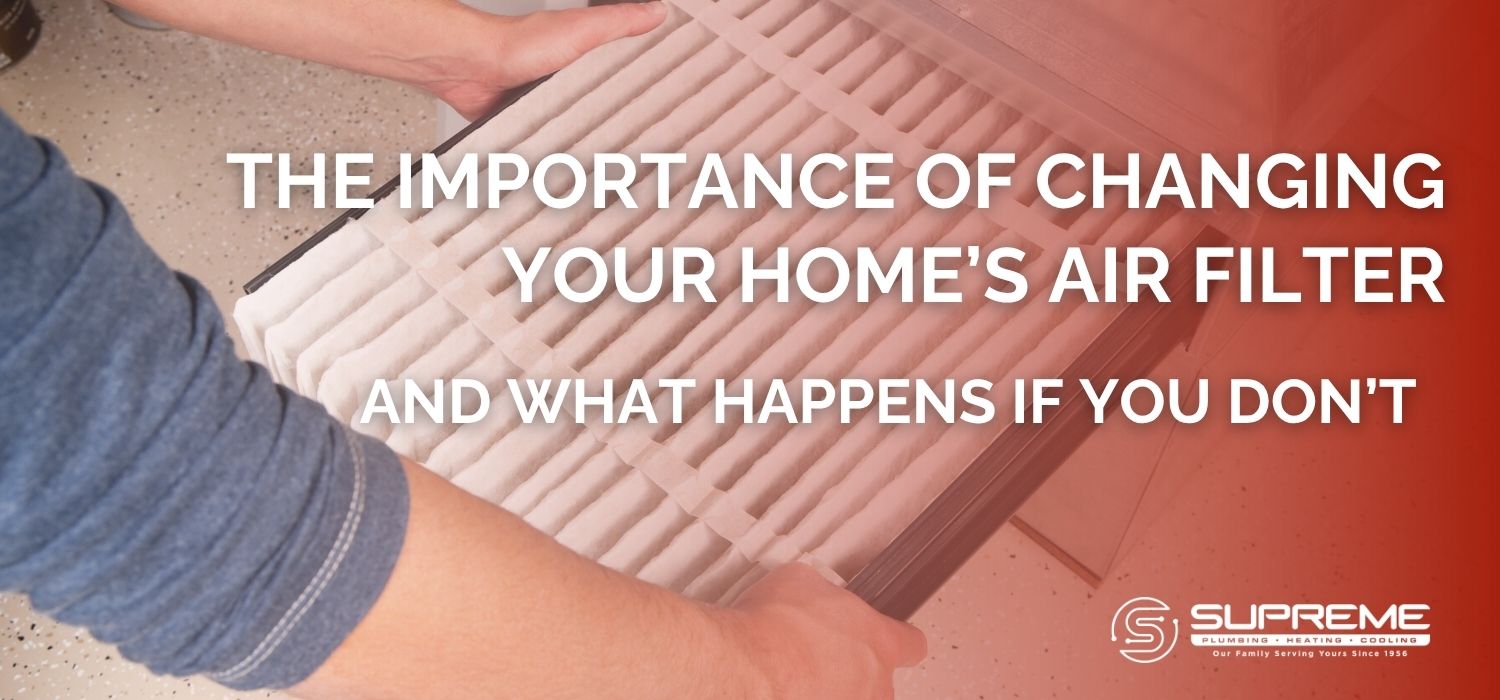
If there's one thing to check before turning on your furnace for the season, start with the air filter.
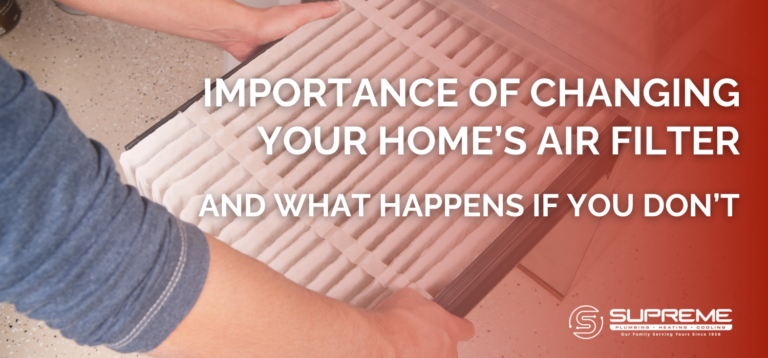
Your HVAC filter helps capture airborne particles as air moves through your heating and cooling system. Depending on the filter, those particles can include dust, pollen, pet dander, and other debris.
Over time, the filter fills up. When it gets too dirty, airflow can become restricted, forcing your system to work harder and potentially affecting its performance.
How often should you change your HVAC filter?
A common guideline is every one to three months, but the right schedule depends on your filter type, household, and how often your system runs.
You may need to replace it more frequently if you have:
- Pets that shed
- Family members with allergies or asthma
- Several people living in the home
- Construction or renovation projects creating extra dust
- A furnace or air conditioner that runs frequently
If you're not sure when the filter was last changed, fall is a good time to check it before your furnace starts running regularly.
Homeowner tip: Write the date on your new filter when you install it. Check it monthly at first, then adjust your replacement schedule based on how quickly it collects dust. Always follow the filter and HVAC manufacturer's recommendations.
Should You Upgrade to a Higher-Rated Air Filter?
You may have noticed that HVAC filters come with different MERV ratings. MERV stands for Minimum Efficiency Reporting Value, and it indicates how effectively a filter captures particles of different sizes.
A higher MERV rating generally means the filter can capture smaller particles more effectively. However, that doesn't automatically make the highest-rated filter the best choice for your home.
Some HVAC systems aren't designed to handle the additional airflow resistance of certain high-efficiency filters.
Before upgrading, check your system's requirements or ask an HVAC professional which filter will provide the right balance of filtration and airflow.
2. Keep Your Home's Humidity at a Comfortable Level
Have you started getting static shocks when you touch a doorknob? Maybe your skin feels dry or your throat feels scratchy in the morning. Low indoor humidity could be contributing to those problems.
During a Midwest winter, heated indoor air can become quite dry. While your furnace is doing its job of keeping your home warm, it doesn't necessarily add moisture back into the air.
For many homes, a relative humidity level of around 30% to 50% is a reasonable target. The ideal setting depends on outdoor temperatures, your home's construction, and whether condensation develops on windows.
How Can You Add Moisture to the Air?
A portable humidifier can help with a dry bedroom or another small area. These units can be useful, but they require regular cleaning and refilling, and they may not provide consistent humidity throughout the house.
If dry air is a recurring problem, a whole-home humidifier may be worth considering.
A whole-home humidifier connects to your HVAC system and adds moisture to the air as it circulates throughout your home. Depending on the system, it can help maintain a more consistent humidity level without requiring you to refill multiple portable units.
Keep in mind that adding too much moisture can create its own problems. Excess humidity can contribute to condensation and mold growth, especially around windows, exterior walls, and other cool surfaces.
3. Clean Your Vents and Reduce Dust Around the House
Your HVAC filter does a lot of the work, but it's not the only thing to consider when you're trying to reduce dust.
Dust and debris can collect on supply and return air grilles, furniture, flooring, and other surfaces throughout your home. When the furnace starts running more often, keeping up with regular cleaning can help limit the amount of dust that gets stirred into the air.
A few simple habits can help:
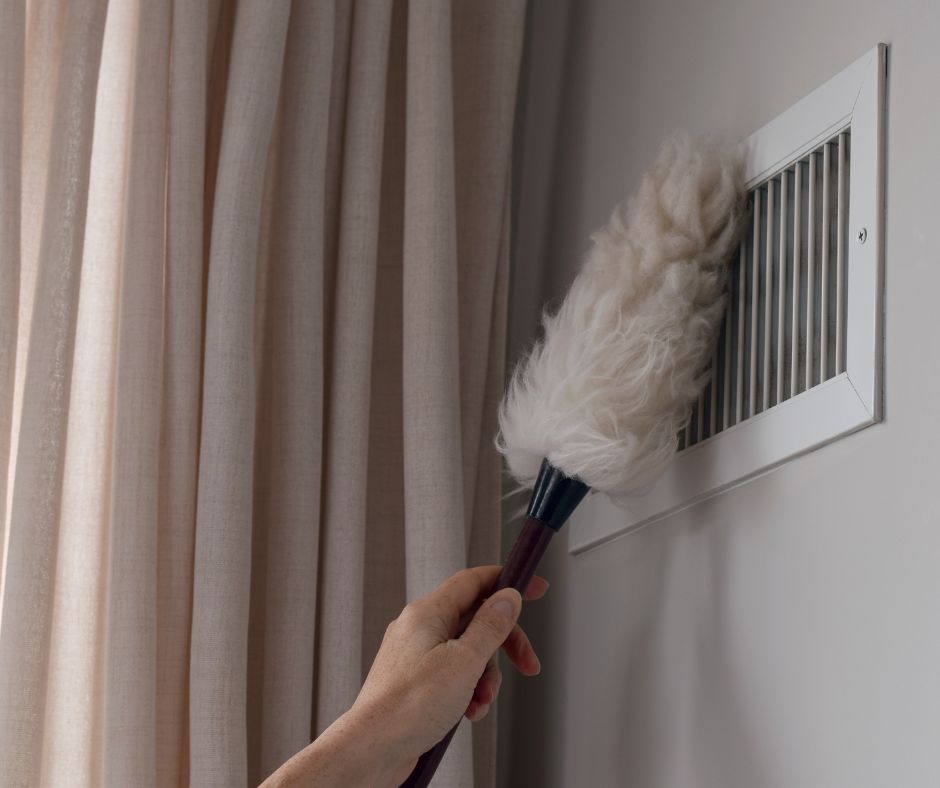
Wipe down air vents and return grilles. Use a microfiber cloth or your vacuum's brush attachment to remove visible dust from the surfaces. Avoid pushing debris into the ductwork.
Vacuum regularly. A vacuum with a HEPA filter can help capture smaller particles rather than releasing them back into the room. Pay extra attention to carpets, rugs, upholstered furniture, and areas where pets spend time.
Clean up entryways. Shoes can bring pollen, dirt, and other outdoor particles inside. Using doormats and removing shoes near the entrance can help reduce what gets tracked through your home.
4. Consider Additional Indoor Air Quality Solutions
Portable air purifiers can help reduce airborne particles in individual rooms. A unit with an appropriately sized HEPA filter may be helpful for bedrooms, living rooms, or other spaces where you spend a lot of time.
Pay attention to the unit's recommended room size and clean or replace its filters according to the manufacturer's instructions.
If you're looking for whole-home filtration, ask an HVAC professional about systems that can work with your existing equipment.
5. Schedule an HVAC Appointment Before Winter
Sometimes, the issue isn't something you'll find by looking at your air filter or wiping down a vent.
If your home feels unusually dusty, the air seems consistently dry, or certain rooms never seem comfortable, it may be time for a closer look at your HVAC system.
An indoor air quality check can help identify potential concerns and determine which improvements may be worth considering.
Depending on your home's needs, an HVAC professional may evaluate:
- Your existing air filter and filtration setup
- Airflow and the condition of accessible HVAC components
- Potential ventilation concerns
- Whether additional filtration or humidity control may be beneficial
It's also a good time to schedule your annual furnace tune-up. Your heating system is about to work harder as temperatures drop, and routine maintenance can help identify issues before they become bigger problems.
If you live in Terre Haute or the surrounding Wabash Valley, we can help you prepare your HVAC system for the colder months and discuss indoor air quality solutions that fit your home.
Your Fall Indoor Air Quality Checklist
Want to get your home ready for the months you'll spend indoors? Start with these simple tasks.
- Check your HVAC filter and replace it if needed.
- Make a schedule for checking and changing your filter.
- Clean accessible air vents and return grilles.
- Vacuum carpets, rugs, and upholstered furniture regularly.
- Check for visible moisture, condensation, or musty smells.
- Consider additional filtration if dust or allergy concerns persist.
- Schedule a furnace tune-up before the heating season gets busy.
- Ask about an indoor air quality check if you're noticing ongoing problems.
Get Your Home Ready for Heating Season
As the weather cools down, you'll probably spend more time inside your home. It's a good time to make sure your HVAC system is ready to keep things comfortable.
Changing your air filter, managing indoor humidity, and keeping dust under control are all helpful places to start. If those steps aren't enough, additional filtration, humidification, or a closer look at your HVAC system may be worth considering.
At Supreme, we help homeowners in Terre Haute and the surrounding Wabash Valley prepare their heating systems for the colder months. From furnace maintenance to indoor air quality solutions, our team can help you figure out what your home needs.
Have questions about your home's air quality or want to get your furnace ready for fall? Reach out to us, and we'll help you determine the next steps.