It's officially heating season, but what happens when your furnace is running and your house still feels chilly?
Maybe the thermostat says 70°F, but your living room feels closer to 60. Perhaps some rooms are comfortable while others never seem to warm up. Or maybe your furnace runs constantly, but the temperature inside your home barely changes.
Some common heating problems have pretty simple solutions. Others may point to an issue with your HVAC system, ductwork, or even your home's insulation.
Before you start cranking up the thermostat, let's look at some reasons your house might be staying cold and what you can do to get things comfortable again.
1. Your Air Filter Is Dirty
When was the last time you changed your furnace filter?
It's easy to forget about, but a dirty air filter is one of the most common reasons homeowners experience heating and airflow problems.
Your furnace filter catches dust, dirt, pet hair, and other airborne particles before they move through your HVAC system. Over time, those particles build up and restrict airflow.
When air can't move through your system properly, your furnace has to work harder to circulate warm air throughout your home. This can affect heating performance and, in some cases, cause your furnace to overheat and shut off before completing a heating cycle.
What can you do?
Start by checking your furnace filter. If it looks gray, dusty, or clogged, it's time for a replacement.
A few things to keep in mind:
- Check your filter every month during heating season.
- Most standard filters need to be replaced every one to three months, depending on the filter and your household.
- Homes with pets, allergies, or higher dust levels may need more frequent changes.
- Make sure you're using the correct filter size and type recommended for your HVAC system.
Quick tip: Set a reminder on your phone to check your furnace filter at the beginning of each month. It's a small task that can make a difference in how your heating system operates.
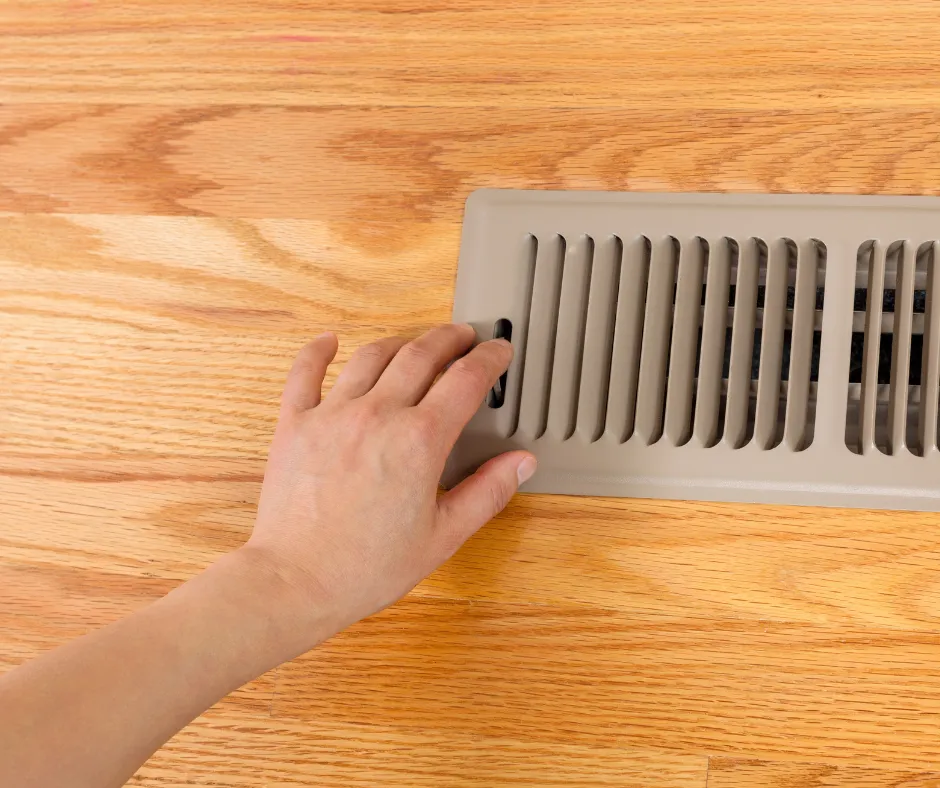
2. Your Vents or Return Air Grilles Are Blocked
Your furnace needs room to breathe!
Your HVAC system works by circulating air throughout your home. It sends heated air through supply vents and pulls air back through return grilles so it can be heated again.
If furniture, rugs, curtains, or other household items are blocking those openings, air can't circulate as easily.
You might notice certain rooms aren't getting enough warm air, or your furnace seems to run longer than usual without making much difference.
What can you do?
Take a walk through your home and check your vents and return grilles.
Here's a quick checklist:
- Move furniture away from supply vents and return grilles.
- Make sure curtains and rugs aren't covering air openings.
- Remove dust and debris from vent covers.
- Check that supply registers are open and unobstructed.
3. Your Ductwork Could Be Leaking or Damaged
Your furnace might be producing plenty of heat, but some of that heat may never make it into your living space.
Your home's ductwork carries heated air from your furnace to each room. If those ducts have leaks, loose connections, gaps, or damaged sections, warm air can escape before reaching its destination.
This is especially common in ductwork running through attics, crawl spaces, basements, and other unconditioned areas.
What can you do?
Start with a few simple observations.
If you have accessible ductwork in your basement, look for visibly disconnected sections, damaged insulation, or loose connections. You can also compare airflow between different rooms by holding your hand near the supply vents while the furnace is running.
Avoid taking apart ductwork or attempting repairs near your furnace. Leaks and connection problems are best evaluated by an HVAC professional who can determine where air is escaping and what needs to be repaired.
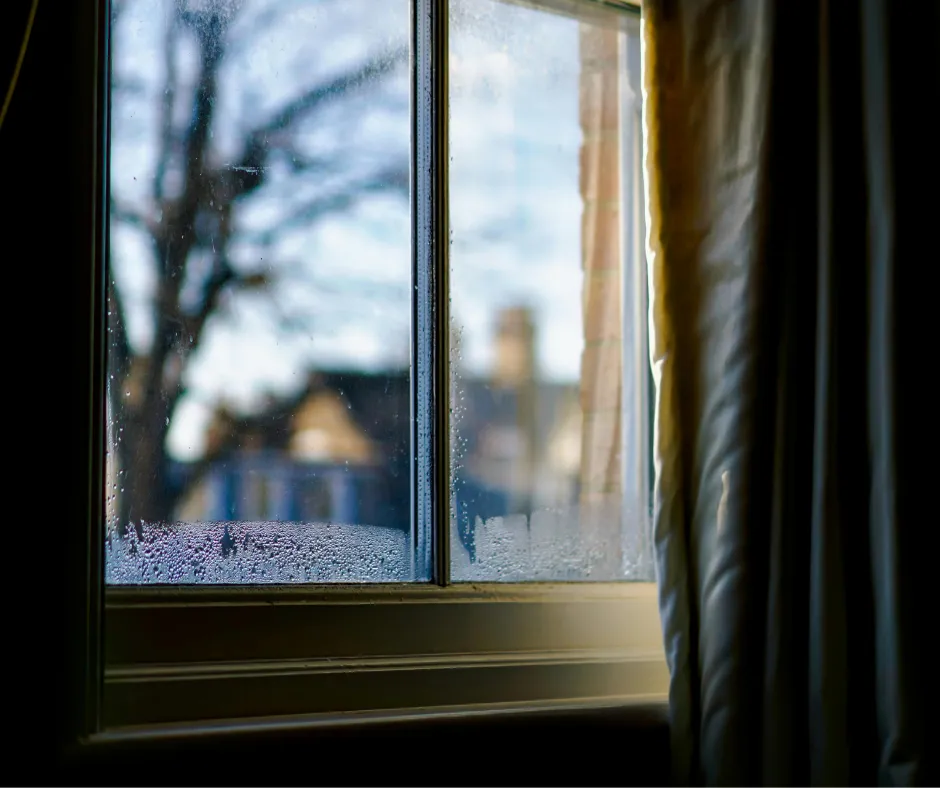
4. Your Home Is Losing Heat Through Windows, Doors, and Insulation
Sometimes, the problem isn't your furnace at all. It's how well your home holds onto the heat it produces.
Even a properly functioning heating system can struggle to keep your home comfortable if warm air is constantly escaping.
If your home has insufficient insulation or air leaks, that heat can escape through the attic, walls, floors, windows, and doors.
This can leave your furnace running longer while your home continues to feel chilly.
Signs your home may be losing heat:
- You feel cold air around windows and exterior doors.
- Certain rooms are always colder than the rest of the house.
- Your furnace runs frequently, but the indoor temperature drops quickly.
- You notice drafts even when all the windows and doors are closed.
A few DIY ways to help:
You don't necessarily need a major home improvement project to start addressing heat loss.
Try these simple fixes:
- Check your weatherstripping. Look around exterior doors and windows for worn or missing weatherstripping. Replacing it can help reduce drafts.
- Use draft stoppers. Place a door draft stopper along the bottom of exterior doors to help keep cold air out.
- Add window insulation film. Plastic window insulation kits can help reduce drafts around older or less efficient windows.
- Check your attic insulation. Your attic is one of the most important areas to consider when it comes to heat loss. If insulation looks thin, damaged, or uneven, it may be worth having it evaluated.
- Keep curtains closed at night. Closing blinds and curtains after the sun goes down can help reduce heat loss through windows. Open them during sunny daytime hours to take advantage of natural warmth.
If you're dealing with persistent cold spots or unusually high heating bills, a closer look at your home's insulation and air sealing may help uncover the problem.
5. Your Thermostat Isn't Reading the Temperature Correctly
Have you ever walked past your thermostat, seen that it says 70°F, and wondered how that's even possible when your toes are freezing?
Your thermostat measures the temperature around its location, not throughout your entire home.
If it's installed near a sunny window, exterior door, fireplace, or another heat source, it may get a reading that doesn't accurately reflect the temperature in the rest of your house.
Other times, the issue may be as simple as incorrect settings or low batteries.
What can you do?
Before assuming your thermostat needs to be replaced, check a few things:
- Check the settings. Make sure it's set to HEAT and that the fan is set to AUTO rather than ON. The ON setting can circulate air continuously, including periods when the furnace isn't actively heating it.
- Check the batteries. If your thermostat uses batteries, replace them if they're low or the display looks unusual.
- Look at its location. Make sure furniture, curtains, or other objects aren't blocking the thermostat.
- Compare temperatures. Use a separate indoor thermometer in another room to see if the readings are significantly different.
If your thermostat consistently reads temperatures that don't match how your home feels, or your furnace isn't responding properly to temperature changes, an HVAC professional can help determine whether the thermostat or another part of the system is causing the problem.
6. Your Furnace May Need Maintenance or Repairs
If you've checked your filter, cleared your vents, and addressed a few drafts but your house still isn't warming up, it's time to look at the furnace itself.
Like any major appliance, your heating system needs regular maintenance to keep it operating properly.
Over time, components can wear down, electrical connections can develop problems, and parts of your system can become dirty or damaged.
A furnace that's struggling to produce or distribute enough heat may show a few warning signs:
- It turns on and off frequently.
- It blows cool or lukewarm air when it should be heating.
- It makes unusual banging, rattling, or squealing noises.
- It takes much longer than usual to warm your home.
- Your energy bills have increased without a major change in usage.
Some of these symptoms can have relatively simple explanations, while others may point to a mechanical issue that needs professional attention.
Why does annual furnace maintenance matter?
A professional furnace tune-up gives an HVAC technician the opportunity to inspect important components, check system operation, clean applicable parts, and identify potential problems.
It's also an opportunity to catch smaller issues before they turn into bigger heating headaches during the coldest part of winter.
If your furnace is running but your home isn't getting warm, don't ignore the signs. A professional inspection can help determine what's going on and what needs to be addressed.
When Should You Call an HVAC Professional?
Some heating problems are easy to troubleshoot at home. Others need a closer look.
If you've tried the simple fixes and your home still isn't staying warm, it's worth scheduling an HVAC appointment.
You should also call for professional help if:
- Your furnace repeatedly shuts off before reaching the set temperature.
- You're getting little to no warm air from your vents.
- Your furnace is making unusual noises or producing unusual odors.
- Your energy bills have suddenly increased.
- Certain rooms are consistently much colder than others.
- Your furnace won't turn on or isn't responding to the thermostat.
Stay Warm All Winter With Help From Supreme
A cold house doesn't always mean you need a new furnace. Sometimes, the fix is as simple as replacing a dirty filter, clearing a blocked vent, or sealing a drafty window. Other times, the issue may be hiding in your ductwork, insulation, or heating system.
The important thing is figuring out what's keeping your home from staying comfortable.
At Supreme, we've been helping homeowners in Terre Haute and the surrounding Wabash Valley with their heating and cooling needs since 1956. Whether your furnace needs a tune-up, a repair, or a closer look at your home's airflow, our team is here to help.
Having trouble keeping your house warm? Contact Supreme to schedule an HVAC appointment. We'll help you get to the bottom of it.