
A homeowner's guide to preventing basement flooding, keeping the power on, and protecting what matters most.
Spring in the Midwest can be… unpredictable, to say the least.
One minute it’s sunny, the next you’re dealing with heavy rain, rising water, and the kind of storms that can cause real damage fast.
And while we can’t control the weather, we can control how prepared our homes are for it, and a few proactive steps now can make a huge difference when those spring storms roll in.
Why Do Basements Flood in the First Place?
Understanding the cause is the first step toward a solution. Basement flooding typically comes from one of these scenarios:
Surface Water Intrusion — Heavy rain overwhelms the ground's absorption capacity. Water pools against your foundation walls and finds any crack, gap, or porous section to enter through.
Sewer Backup — Municipal storm and sewer systems can overflow during heavy rain events, pushing water backward through floor drains and basement toilets.
Rising Water Table — Extended rain saturates the soil. When the water table rises above your basement floor level, hydrostatic pressure can force water through concrete.
Failed Sump System — A sump pump that's unprepared, undersized, or lacks a battery backup can fail at the exact moment you need it most — mid-storm, when the power goes out.
Steps to Prevent Basement Flooding
Grade Your Yard Away from the Foundation The ground immediately surrounding your home should slope away from the foundation. If it slopes toward your home, water channels directly into your basement walls during every rainstorm.
Clean and Extend Your Downspouts Your gutters carry enormous volumes of water off your roof. If downspouts deposit that water right next to your foundation, you're essentially aiming a firehose at your basement. Make sure downspout extensions direct water at least 6–10 feet away from the house. Clean your gutters before storm season so they don't overflow and dump water straight down the side of your home.
Inspect and Seal Foundation Cracks Even hairline cracks in poured concrete walls can allow significant water infiltration under hydrostatic pressure. Walk your basement perimeter and look for any cracks, efflorescence (white mineral deposits — a sign of past moisture), or staining. Hydraulic cement and waterproof sealant can address minor cracks. Larger structural cracks warrant a professional assessment.
Consider a French Drain or Interior Drainage System If surface grading isn't enough, a perimeter French drain around the exterior of your foundation — or an interior drain tile system — can intercept groundwater before it enters your basement and route it directly to your sump pit.
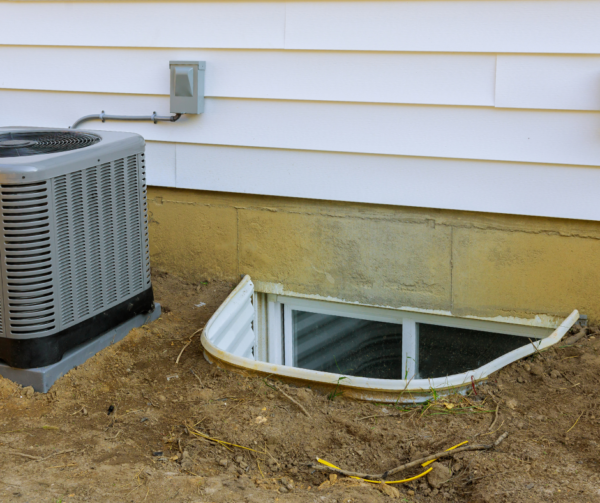
Don't Forget Your Window Wells Basement windows that sit at or below grade are a common flood entry point. Window well covers keep out debris and dramatically reduce flooding through this often-forgotten pathway. Make sure yours fit properly and aren't cracked.
Sump Pumps: Your Basement's Best Defense
A sump pump is the most reliable mechanical defense against basement flooding. Here's exactly how it works.
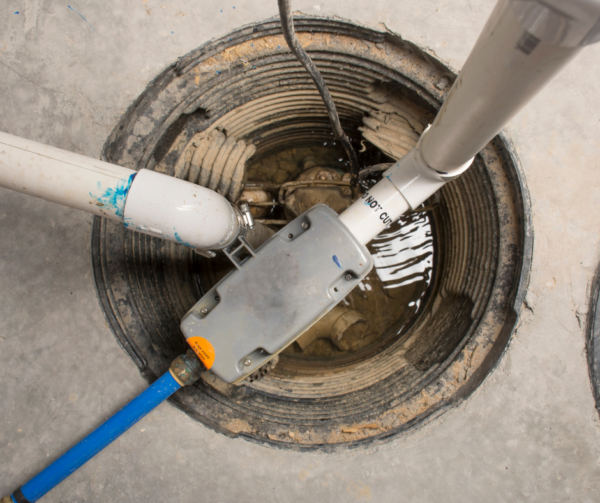
Water seeps into a pit, called a sump, dug in the lowest part of your basement floor. When the water level rises to a set point, a float switch triggers the pump to activate. The motor pulls water out through an impeller and pushes it through a discharge pipe, out of your home and away from the foundation. The whole process happens automatically.
Submersible vs. Pedestal Pumps The two main types are submersible (motor sits in the pit — quieter and longer-lasting) and pedestal (motor sits above the pit on a column — easier to service and less expensive).
Have any questions about what sump pump you should get? We’re here to help!
What Size Do You Need? Pump capacity is rated in horsepower and gallons per hour. For most homes, a 1/3 to 1/2 HP pump handles normal rainfall. If your basement has flooded before, you've experienced heavy sewer backup, or your home sits in a low-lying area, a 3/4 HP or larger pump is worth considering.
The Battery Backup Is Non-Negotiable Here's the problem: the worst storms that flood your basement are often the same storms that knock out your power. A sump pump without a battery backup is essentially useless when you need it most. A quality battery backup system keeps your pump running for hours (or even days) during an outage.
Water-Powered Backup Pumps An alternative backup option is a water-powered sump pump, which uses your home's municipal water pressure to generate pumping power so there’s no battery required. These work well as a secondary backup, though they aren't available in homes on well water.
Keeping Your Sump Pump Ready All Season
A sump pump that sits unused all winter can fail when you need it most if it isn't maintained. Here's how to make sure yours is storm-ready:
- Pour a bucket of water into the pit to confirm the pump activates automatically and shuts off when the water clears
- Check that the discharge pipe is clear of debris and that the outlet points away from the foundation
- Inspect the pit for gravel, sediment, or debris that could clog the intake screen
- Test your battery backup by briefly unplugging the primary pump; the backup should kick in within seconds
- Listen for unusual grinding, rattling, or humming, these are signs of impeller wear
- Confirm the float arm moves freely and isn't stuck against the pit walls
The average sump pump lasts 7–10 years. If yours is older than that, or has never been serviced, don't wait for a storm to find out it's failed. Replacing a sump pump proactively costs a fraction of what water damage restoration does.
Power Outages: The Hidden Flood Risk
Power outages and severe storms go hand in hand in Indiana. When the lights go out, your sump pump stops running, your sump pit fills, and water begins entering your basement.
But flooding isn't the only concern. Extended outages mean food loss (a refrigerator keeps food safe for about 4 hours without power), failed heating and cooling, disrupted medical equipment like CPAP machines and oxygen concentrators, and compromised home security systems.
Portable vs. Standby Generators Portable generators are inexpensive but require manual setup, must be refueled, produce carbon monoxide risk if used improperly, and can't be safely connected to your home's electrical system without a transfer switch. They're a short-term solution at best.
A standby generator, installed permanently outside your home, activates automatically within seconds of detecting an outage, no action required from you.
Protect Your Home Automatically with a Generator
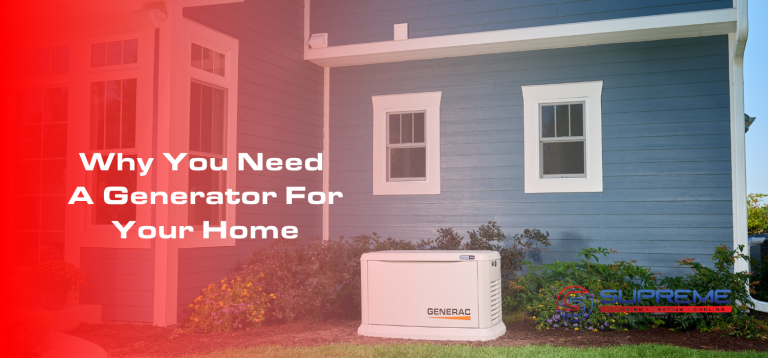
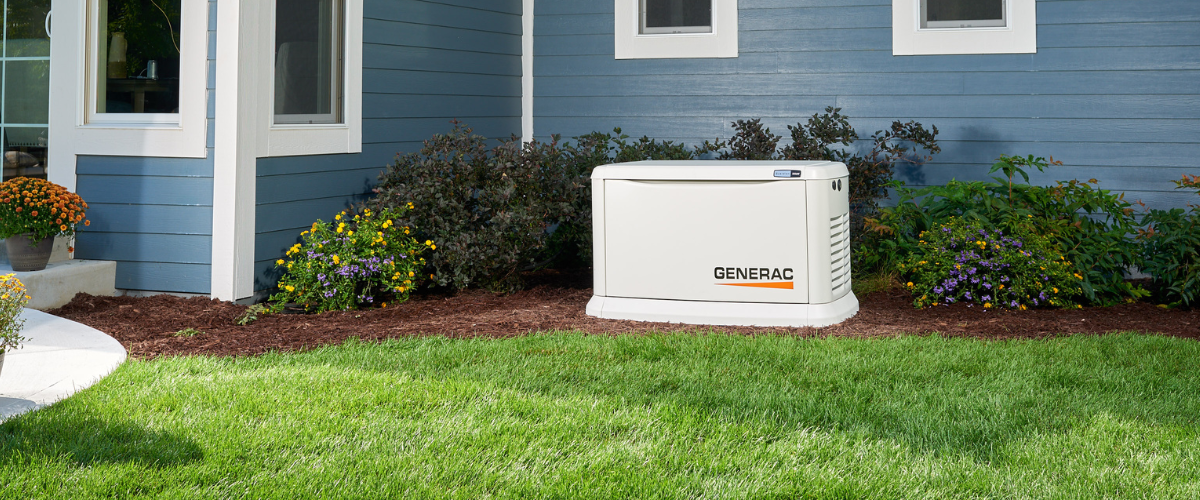
Avoid any power outage in your home with a Generac generator. In the instance of any outage, your home will be protected automatically. These generators run on natural gas or liquid propane (LP) fuel, and sit outside your home, just like a central air conditioning unit.
A Generac generator provides power directly to your home's electrical system, backing up anything from the most essential items to your whole home.
Ask our team about sizing options, installation, and financing.
Your Complete Spring Storm Prep Checklist
Exterior & Drainage
- Clean gutters and downspouts of winter debris
- Extend downspouts at least 6–10 feet from the foundation
- Check yard grading — confirm it slopes away from your home
- Inspect window wells and install covers if missing
- Walk the foundation perimeter and note any cracks or staining
- Confirm your sump pump discharge line exit is clear and unobstructed
Sump Pump
- Test the pump manually with a bucket of water
- Test the battery backup by unplugging the primary unit
- Check battery age — replace if over 3 years old
- Clean the pit and check the float arm
- Schedule a professional inspection if the pump is 5+ years old
Power & Generators
- Locate your electrical panel and know how to safely use it
- Confirm smoke and CO detectors have fresh batteries
- If you have a portable generator, ensure it has a proper transfer switch and fresh fuel
Emergency Preparedness
- Store insurance cards, IDs, and important documents in a waterproof bag
- Document your valuables now for insurance purposes
- Move electronics and valuables off the basement floor onto shelving
- Have a plan for pets in case of evacuation
Don't Wait for the Next Storm
The best time to prepare is before the clouds roll in. Whether you need a sump pump inspection, a new installation, or thinking about adding a generator to your home, we’re here to help Terre Haute homeowners stay protected all season long.