When winter temperatures drop, frozen pipes quickly become one of the biggest (and messiest) threats to your home. One cold night is all it takes for a pipe to freeze, burst, and turn into a major water damage situation.
The good news? Most frozen pipe issues are preventable with a little know-how and some simple prep.
Here’s everything every homeowner should know about how pipes freeze, warning signs to watch for, and smart ways to prevent frozen pipes before they cause costly damage.
How Do Pipes Freeze?
Pipes freeze when the water inside them is exposed to freezing temperatures. As water freezes, it expands. That expansion puts intense pressure on the pipe walls, and eventually, something has to give.
Important to know:
Pipes don’t usually burst while frozen. They burst when the ice starts to thaw and water pressure builds up behind the blockage.
That’s why frozen pipes often lead to flooding when temperatures rise again.
The Most Common Causes of Frozen Pipes
- Poor insulation around pipes
- Pipes located in unheated areas
- Cold air sneaking in through cracks, gaps, or open vents
- Little to no water movement through the pipe
Pipes Most at Risk of Freezing
Some pipes are more vulnerable than others, especially if your home wasn’t built with extreme cold in mind.
Watch these areas closely:
- Exterior walls
- Garages
- Crawl spaces and basements
- Attics
- Kitchen and bathroom pipes on outside walls
- Hose bibs and outdoor plumbing
Signs Your Pipes Are About to Freeze (or Already Have)
Red Flags to Watch For:
- Little to no water coming from a faucet
- Reduced water pressure
- Frost forming on exposed pipes
- Strange odors coming from drains
- Gurgling or unusual noises when turning on water
Quick tip:
If one faucet isn’t working but others are fine, the pipe leading to that fixture may be frozen.
How to Prevent Frozen Pipes
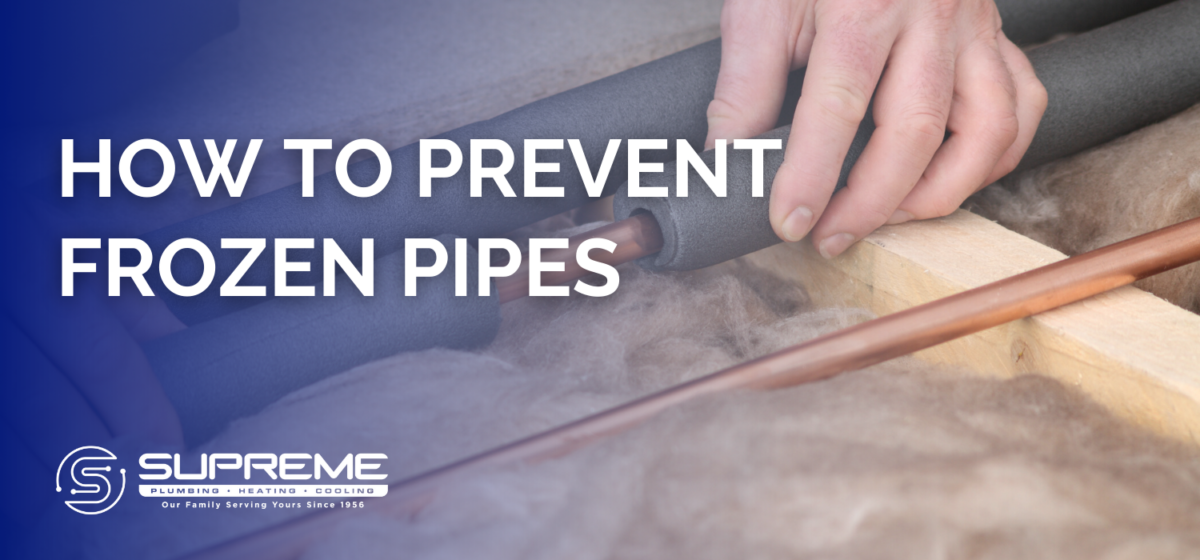
1. Insulate Exposed Pipes
Insulation is one of the easiest and most effective ways to prevent freezing.
- Use foam pipe insulation or heat tape on exposed pipes
- Focus on basements, crawl spaces, garages, and attics
Why it matters:
Insulation helps keep heat in and cold air out, even during extreme temperatures.
2. Keep Your Home Warm Even When You’re Away
It might be tempting to turn the heat way down to save money if you’re away from home, but that can backfire fast.
Smart move:
Keep your thermostat set to at least 55°F, even if you’re not home.
3. Let Faucets Drip During Extreme Cold
A slow drip might not seem helpful, but moving water is less likely to freeze.
Best places to drip:
- Faucets on exterior walls
- Pipes you know are exposed or poorly insulated
4. Open Cabinet Doors
This helps warm air circulate around pipes under sinks, especially in kitchens and bathrooms.
Tip: Open cabinets overnight when temperatures are expected to drop significantly.
5. Seal Gaps and Drafts
Cold air sneaks in through tiny cracks you may not even notice.
- Seal gaps around windows and doors
- Check areas where pipes enter the home
- Close foundation vents when temps drop
6. Disconnect Outdoor Hoses
Outdoor hoses left connected can trap water inside pipes.
Before winter hits:
- Disconnect hoses
- Shut off exterior water supply (if possible)
- Drain remaining water from outdoor lines
What to Do If You Think a Pipe Is Frozen
If you suspect a frozen pipe, act quickly but carefully.
What You SHOULD Do:
- Shut off your water
- Find the frozen pipe (remember it’s probably somewhere where the pipe is likely to get cold!)
- Turn on the faucet to relieve the pressure
- Gently warm the pipe using:
- A hair dryer
- Space heater (from a safe distance)
- Warm towels
- Check for leaks and call a plumber if needed (at Supreme, we offer 24 hour emergency services!)
What You Should NOT Do:
- Use an open flame to try and heat the pipes
- Ignore the problem and “wait it out”
If you can’t locate the frozen section or safely thaw it, it’s time to call a professional.
FAQs: Frozen Pipes, Answered
Q: How cold does it have to be for pipes to freeze?
A: Pipes can freeze when temperatures drop below 32°F, especially if they’re exposed or uninsulated.
Q: Can pipes freeze even if my heat is on?
A: Yes. Pipes in exterior walls or unheated spaces can still freeze if they aren’t insulated properly.
Q: Will my pipes burst every time they freeze?
A: Not always — but it only takes one freeze to cause serious damage, so prevention is key.
Q: Is pipe insulation worth it?
A: Absolutely. It’s inexpensive, easy to install, and can save you thousands in repairs.
A Little Prevention Goes a Long Way
Frozen pipes are one of the most common winter plumbing emergencies but they’re also one of the easiest to prevent with the right steps.
By insulating pipes, sealing drafts, keeping your home warm, and knowing the warning signs, you can protect your home from surprise leaks, flooding, and costly repairs.
If you’re unsure whether your plumbing is winter-ready or need help protecting exposed pipes, our team is here to help.
Schedule a plumbing inspection or winter prep service today and enjoy peace of mind all season long.