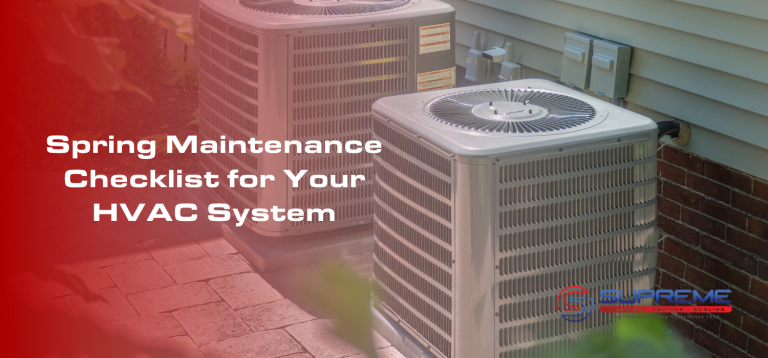
The snow is melting, the birds are chirping, and your heavy coat is finally headed back to the closet. Spring is here and that means it's time to give your HVAC system a little love before the warmer months arrive.
Most homeowners don't think twice about their heating system once temperatures start climbing, but skipping this seasonal transition can mean higher energy bills, poor indoor air quality, and unwanted surprises when you flip on the AC for the first time.
Follow this guide to make sure your system is ready to carry you comfortably into spring and summer.
Why the Winter-to-Spring Transition Matters for Your HVAC
Your HVAC system works hard all winter keeping your home warm. When you shift from heating mode to cooling mode, a few things can go wrong if you're not prepared:
- Dust, debris, and allergens that built up all winter get pushed through your home
- A clogged or dirty filter forces your system to work harder and costs you more
- Small issues that went unnoticed in winter can snowball into expensive repairs in summer
- Your AC may struggle to keep up on the first hot day if it hasn't been inspected
The transition season is the perfect window to check in on your system before the heat hits and you actually need it.
Your Spring HVAC Checklist: 7 Steps to a Smooth Transition
- Replace or Clean Your Air Filter
This is the single easiest thing you can do and also one of the most impactful. After months of trapping dust, pet dander, and winter debris, your filter is likely overdue for a swap.
How often should you change it?
- Basic 1-inch filters: every 1–3 months
- Thicker media filters: every 6–12 months
- Homes with pets or allergy sufferers: more frequently
Pro tip: Start spring with a fresh filter to improve air quality and give your system the best possible start.
- Clean the Area Around Your Outdoor Unit
Winter storms, falling leaves, and general debris can pile up around your outdoor condenser unit. Before you switch to cooling mode, take a few minutes to:
- Clear away leaves, sticks, and dirt within at least 2 feet of the unit
- Gently rinse off any visible debris with a garden hose (never use a pressure washer)
- Check that the unit is level and hasn't shifted over winter
A clean condenser unit runs more efficiently which means lower energy bills once summer arrives.
- Check and Clean Your Vents and Registers
Dust loves to collect in vents over the winter. Walk through your home and:
- Vacuum supply and return vents to remove buildup
- Make sure all vents are open and unblocked by furniture
- Check rooms you may have closed off over winter and reopen vents if needed
Blocked or dirty vents force your system to work harder and create uneven temperatures throughout your home.
- Test Your Thermostat
Before the first hot day catches you off guard, flip your thermostat from heat to cool and give it a test run.
- Set it to cooling mode and lower the temperature below the current room temp
- Listen for the outdoor unit to kick on within a minute or two
- Check that cool air is actually coming through your vents
If you have a programmable or smart thermostat: now's a great time to update your schedule for spring and summer. Shift away from the "warm at all hours" heating schedule and set it to reflect your new seasonal routine.
If the system doesn't respond or cool air isn't coming through, don't ignore it, schedule an appointment!
- Inspect Your Ductwork for Leaks or Damage
Leaky ducts can waste 20–30% of the air your system produces, meaning you're paying to cool air that never reaches your living space. Look for:
- Visible gaps or disconnected sections in accessible ducts
- Rooms that never seem to heat or cool properly
- Excessive dust near vents (a sign of duct leakage)
If you suspect duct issues, a professional duct inspection can save you significantly on energy costs throughout the year.
- Clear Away Winter Weatherproofing
You may have added extra insulation or window coverings to help retain heat over the winter. Once temperatures rise, some of that can work against you:
- Remove heavy thermal curtains and swap for lighter window treatments
- Roll up door draft stoppers you no longer need
- Open windows on mild days to naturally ventilate and air out your home
- Schedule a Professional Spring Tune-Up
This is the big one. A seasonal HVAC inspection from a certified technician catches the things you can't see and prevents the surprises you really don't want on the hottest day of July.
A professional spring tune-up typically includes:
- Inspecting and cleaning the evaporator and condenser coils
- Checking refrigerant levels
- Lubricating moving parts
- Inspecting electrical connections and controls
- Testing overall system performance

FAQs: Spring HVAC Transitions, Answered
Q: What's that dripping sound near my indoor unit? A: A little condensation is normal, but if you're seeing pooling water or hearing persistent dripping, your condensate drain line may be clogged. Left unchecked, this can cause water damage and trigger mold growth. It's an easy fix for a technician and a smart thing to have checked during your spring tune-up.
Q: What does it mean if my AC smells musty when I first turn it on? A: That musty smell usually means mold or mildew has grown in your ductwork or on the evaporator coil over the winter. Replace your filter first, and if the smell persists, call a technician. Running a musty system all season isn't just unpleasant, it's bad for your air quality.
Q: How do I know if I need a new system vs. just a tune-up? A: A good rule of thumb: if your system is 10–15+ years old and repairs are becoming frequent or costly, it may be more economical to invest in a new system. A technician can walk you through the numbers and help you make the right call for your home and budget.
Get Your HVAC Spring-Ready With Supreme
Don't wait until the first hot day to find out something's wrong with your system. Our team is here to help you make the winter-to-spring transition smooth, efficient, and stress-free.
. Contact us today to get scheduled — spring appointments fill up fast!